Future Tense for Kids
English uses two future forms: will for immediate decisions, promises, offers, and neutral predictions, and be going to for earlier plans or predictions supported by present evidence. This future tense for kids guide explains both choices through daily talk. Younger learners can practise one sentence at a time. Older children can compare intentions and form questions, negatives, and short answers. Learners match each form with its meaning.
📥 Future Talk Phrase Cards
Plan, predict, and talk about tomorrow with kid-friendly future tense phrases.
Leave your email — we'll send the PDF to your inbox.No spam — the PDF plus one short reminder. Unsubscribe anytime.
What Children Need to Understand First
Start with one idea: a future event has not happened yet. Mark now and later on a timeline, then place a familiar event after now. “We are going to eat after the lesson” teaches meaning better than an isolated conjugation chart. Future tense for kids then becomes real communication.
Time phrases locate events. Start with after lunch, this evening, tomorrow, and next Saturday. Ask, “Is this happening now or later?” Next, identify earlier planning, present evidence, or a decision made during conversation.
Multilingual children may express futurity through inflection, helping verbs, or present tense in another language. Comparisons can prompt questions but cannot define English grammar. For future tense for kids, practise complete chunks: I will help, I am going to help, and We are meeting at five.
The Simple Future with ‘Will’
Use will for decisions made while speaking. When the doorbell rings, a child might say, “I will answer it.” It also covers offers and promises: “I will carry the bag” or “I will tidy my desk after dinner.” This stable pattern suits early future tense for kids practice.
Use subject + will + base verb. Main verbs stay unchanged: I will play, she will play, and they will play. Add not for negatives: “He will not forget” or “He won’t forget.” Put will before the subject in questions: “Will you join us?” Short answers: “Yes, I will” and “No, I won’t.”
Will can express thought- or belief-based predictions: “I think the match will end soon.” Ground future tense for kids practice in a situation: “The phone is ringing. What will you do?” That context gives children a reason to answer, “I will pick it up.”
- Decision now: “I am thirsty. I will get some water.”
- Offer: “I will show you the page.”
- Promise: “I will return the book tomorrow.”
- Prediction: “I think our team will win.”
Plans and Evidence with ‘Going To’
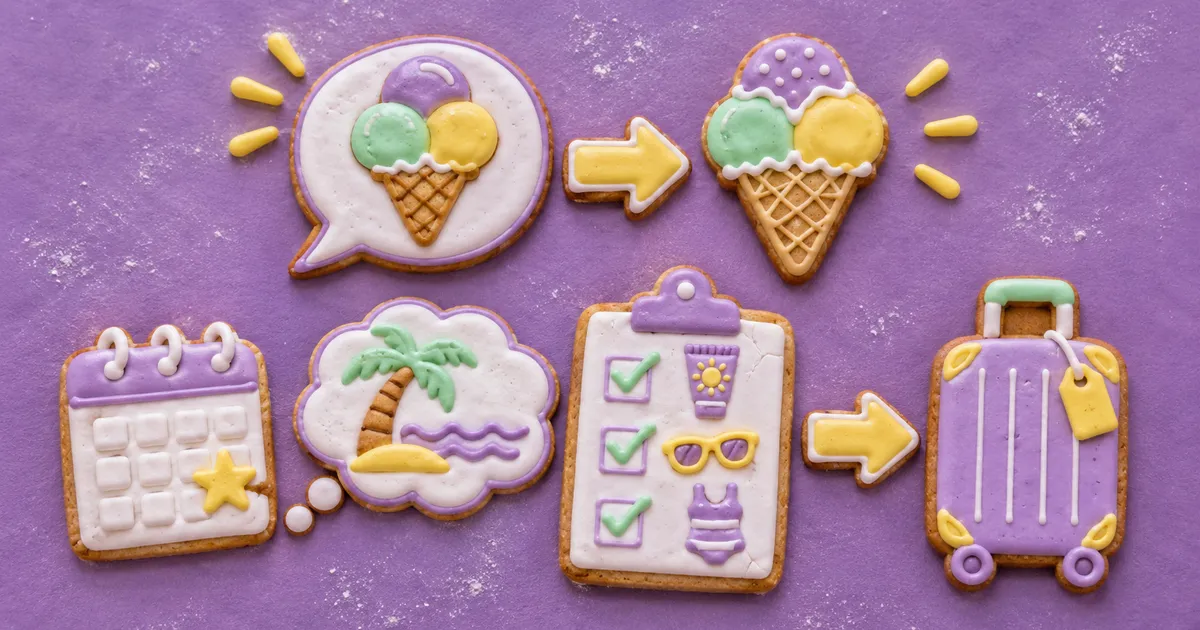
Use be going to for intentions formed before speaking. “We are going to bake bread after lunch” refers to an existing plan. Connect examples with calendars, routines, or chosen activities so future tense for kids serves a real purpose.
Use subject + am/is/are + going to + base verb. Match verb “to be” with the subject: I am going to draw, she is going to read, and they are going to swim. Put not after be for negatives: “We are not going to stay late.” Action verbs retain their base form.
For questions, move am, is, or are before the subject: “Are you going to play?” and “Is your child going to join the class?” Short answers retain be: “Yes, I am” or “No, she isn’t.” Complete frames make future tense for kids manageable.
Going to marks predictions supported by present evidence. Dark clouds suggest “It is going to rain.” A leaning block tower suggests “It is going to fall.” The event remains future; its clue exists now.
Choosing Between ‘Will’ and ‘Going To’
Speakers may present one event as a plan, new decision, or prediction. Ask what happened before the sentence. This keeps future tense for kids connected to meaning, not seemingly random exceptions.
Compare “We are going to visit our cousins” with “The bus is here; I will get my coat.” The first states an earlier plan; the second records a decision made now. Either form can fit some contexts, so introduce future tense for kids through distinct situations before teaching uncertain cases.
Choose the Form
Complete each sentence with the correct form of will or be going to.
1. Look at those clouds. It ______ rain.
2. “I cannot reach the shelf.” “I ______ help you.”
3. We bought the ingredients. We ______ make a cake.
4. I promise I ______ return the game tomorrow.
5. I think the story ______ have a happy ending.
Answers: 1. is going to; 2. will; 3. are going to; 4. will; 5. will.
Time Words and Fixed Arrangements
Time words locate events without determining grammar. “I will call tomorrow” may express a new promise or decision. “I am going to call tomorrow” presents an existing plan. Speaker purpose decides the form.
Signals include later, tonight, tomorrow, soon, after school, this weekend, and next month. During future tense for kids practice, pair one phrase with two meanings: “Tonight, I will help with dinner” and “Tonight, we are going to make soup.”
English uses present continuous for future plans for arrangements carrying a set time or agreement. Across LearnLink lessons, our tutors help children build confident, everyday English step by step. English has no separate near-future construction. Speakers select whichever structure fits the situation.
- Plan: “We are going to visit our grandparents on Saturday.”
- Arrangement: “We are visiting our grandparents at eleven on Saturday.”
- Immediate decision: “They called. I will confirm the time now.”
Common Mistakes and Daily Practice
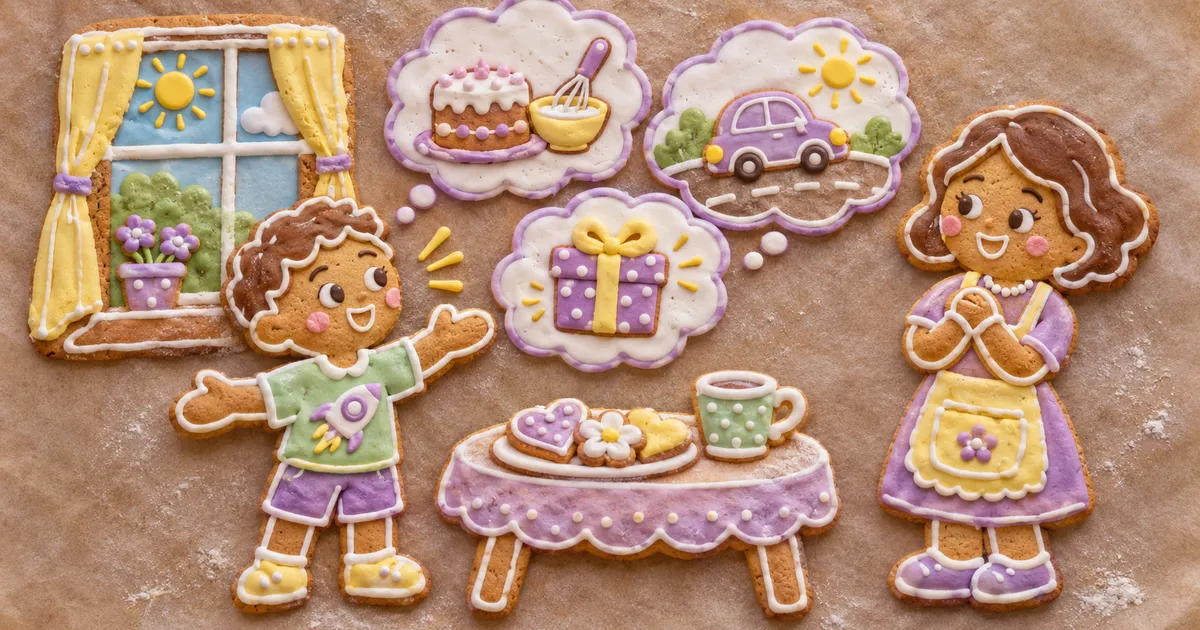
Typical errors include a missing helping verb, changed action verb, or two future forms combined. When correcting future tense for kids, model the complete sentence. If a child says, “She will plays,” respond, “Yes, she will play.” Conversation continues while children hear the correct form.
For repeated errors, ask: What is the meaning? Which helping verb belongs here? Is the action verb in its base form? These checks help children repair sentences. Correct one feature at a time.
Repair the Sentence
Say each sentence correctly.
1. He will brings the ball.
2. We going to eat after the lesson.
3. Will they to visit tomorrow?
4. She is going to reads the book.
5. I am will carry the box.
Answers: 1. He will bring the ball. 2. We are going to eat after the lesson. 3. Will they visit tomorrow? 4. She is going to read the book. 5. I will carry the box, or I am going to carry the box.
Daily routines provide future tense for kids material without lengthy worksheets. Mark plans on a calendar, pause stories for predictions, or request one household promise. During LearnLink lessons, experienced tutors can prompt children to explain each choice.
Change the Meaning
Rewrite each prompt as a complete sentence.
1. Make an earlier plan: We / make a kite / tomorrow.
2. Make a decision now: I / open the window.
3. Make a negative plan: She / stay late.
4. Ask about a plan: you / play after lunch?
5. Show present evidence: the tower / fall.
Possible answers: We are going to make a kite tomorrow. I will open the window. She is not going to stay late. Are you going to play after lunch? The tower is going to fall.
For the rule wording, Wikipedia — English Grammar is a useful reference while the practice examples here stay adapted for children.
Frequently Asked Questions
Is the Future a Separate Tense in English?
English has no special future inflection. It uses will, be going to, and present continuous with future meaning. Future tense remains a practical label for children when each structure connects with a plan, arrangement, decision, promise, or prediction.
Should a Child Learn ‘Will’ or ‘Going to’ First?
Either form can come first. Will suits promises and decisions made now; be going to connects with familiar calendar plans. For future tense for kids, teach one purpose at a time, contrast two situations, then mix the forms.
How Can I Explain the Difference Without Grammar Jargon?
Ask when the decision happened. An earlier plan takes be going to: “We are going to make lunch.” A decision made now takes will: “I will cut the bread.” Present evidence points to going to; thoughts or beliefs often take will.
Can a Multilingual Child Compare English with Another Language?
Yes. Compare each language’s word endings, auxiliary words, time words, or present forms for future events. Treat comparison as a clue, then return to complete English patterns for plans, arrangements, decisions, promises, and predictions.
How Much Practice Does a Child Need?
Practise a few meaningful sentences, then revisit them another day. Ask for one plan, prediction, and promise. Change subject, action, and time phrase while retaining the grammar frame. Mix will, be going to, and present-continuous arrangements after each choice feels familiar.
Start your child's English journey today — book a trial lesson with LearnLink.
Stay updated on our latest tips and resources by following us on Instagram LearnLink.